Stay Informed About Industry News And Follow ZhiShun Updates
 2026-10-24

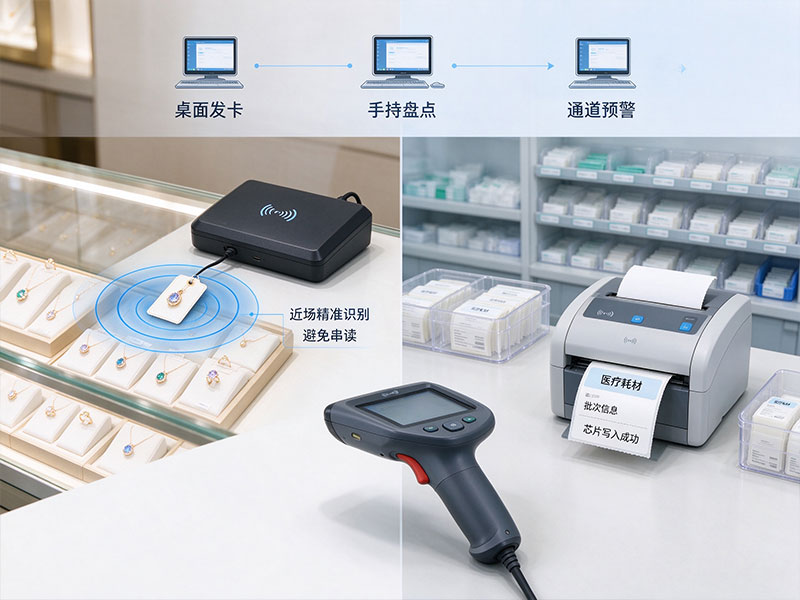
With stricter regulatory requirements for traceability via one item one code, high-value asset industries including jewelry & luxury goods, high-value medical consumables and precision measuring tools are shifting from extensive long-distance identification to near-field high-precision RFID identification solutions. The demand for desktop readers & writers, anti-collision card issuing devices and compact RFID printers is rising rapidly.
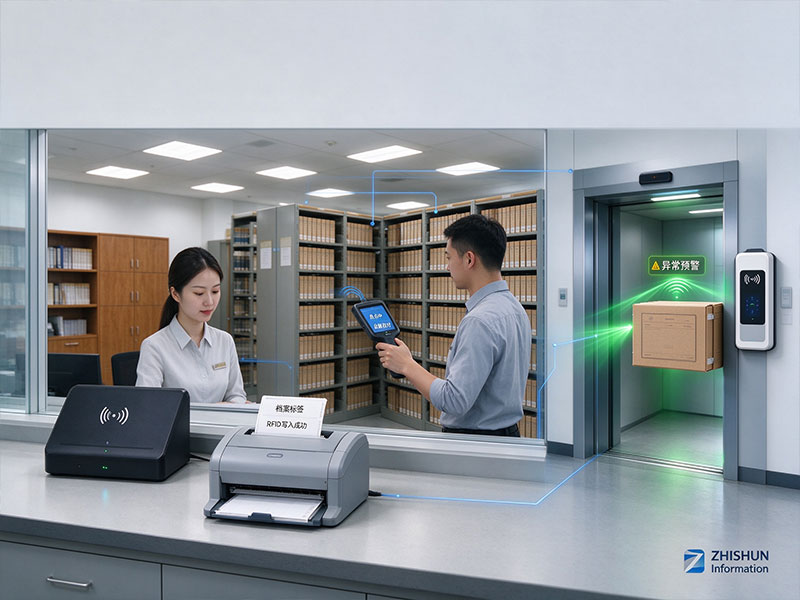
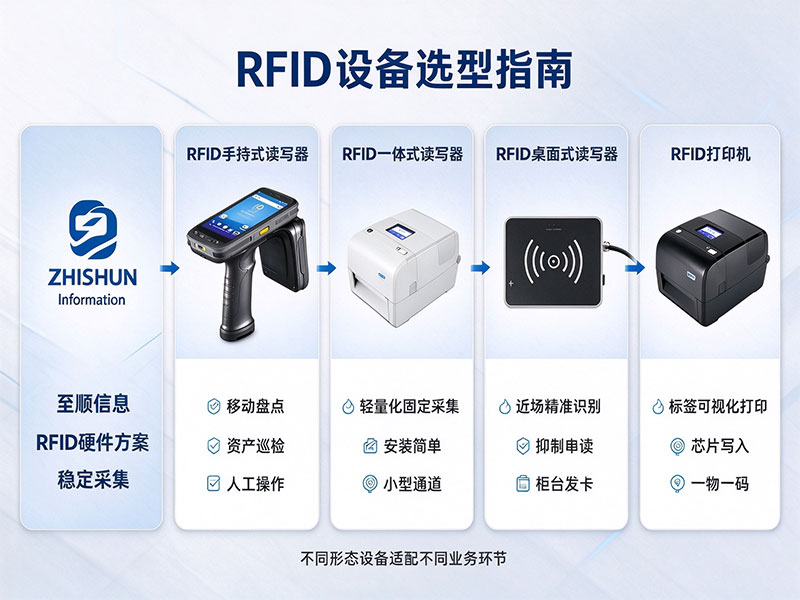
Different from long-distance channel reading scenarios in large warehouses, jewelry hang tags, medical consumables and precision instrument assets feature densely arranged labels, which are highly prone to cross-reading and misreading. Near-field desktop RFID readers & writers adopt directional radio frequency suppression technology to limit the identification range, only reading a single label on the tabletop. They are suitable for counter card issuing and asset registration. The matched RFID printer completes the binding of graphic barcode and chip data synchronously, to ensure the printed label content matches the chip information. Handheld RFID readers & writers are used for regular inspection and inventory in warehouses.
Industry surveys show that such high-value asset scenarios do not prioritize long-distance multi-tag bulk reading. Accuracy of identification is the primary concern. Anti-cross-reading near-field RFID hardware is evolving from an optional solution to a regular requirement in project bidding. When selecting suppliers, buyers pay more attention to reading & writing consistency, tag compatibility and the ease of integration with MES / asset management systems.

Scan To Add

Scan To Add
Copyright © 2026 Shenzhen Zhishun Information Technology Co., Ltd All Rights Reserved.
Technical Support:SYSX





 182-7997-4925

 Home